
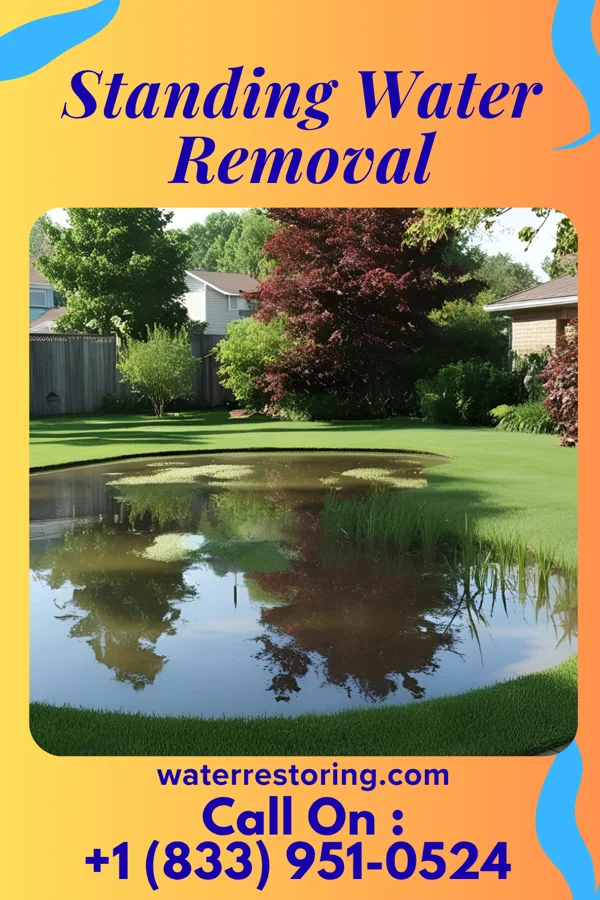
Standing Water & Insurance in New Albany
In New Albany, Ohio, the primary water damage cause is often due to plumbing leaks in residential and commercial properties, particularly in older homes with outdated piping systems. Additionally, heavy rainfall and flooding from nearby rivers like the Scioto River can lead to significant water intrusion during storm events. is the trigger behind most standing water removal claims in New Albany. A close second is Secondary causes include burst water heaters, leaking roofs from improper installation or aging materials, and groundwater seepage in basements of homes near the Scioto River. Improper drainage around properties can also lead to water pooling and subsequent damage.. Most homeowner insurance policies cover sudden, accidental water damage. What separates a clean claim from a stuck one is fast professional response with documentation an adjuster can actually use.
New Albany experiences a humid continental climate with heavy spring and summer rains, increasing the risk of water damage. The proximity to the Scioto River also means that flooding is a concern, especially during heavy precipitation events.
Most standing water removal calls in New Albany come from In New Albany, Ohio, the primary water damage cause is often due to plumbing leaks in residential and commercial properties, particularly in older homes with outdated piping systems. Additionally, heavy rainfall and flooding from nearby rivers like the Scioto River can lead to significant water intrusion during storm events.. Running a close second is Secondary causes include burst water heaters, leaking roofs from improper installation or aging materials, and groundwater seepage in basements of homes near the Scioto River. Improper drainage around properties can also lead to water pooling and subsequent damage.. Local mold risk: Mold growth in New Albany can quickly become a serious issue due to the region's high humidity and frequent rainfall. Prompt water damage restoration is crucial to prevent mold from spreading and causing long-term health and structural issues.
For public guidance on the health effects of mold after prolonged water exposure, see the EPA mold and health page.